
How Do You Plan a Successful 5K Fundraiser?
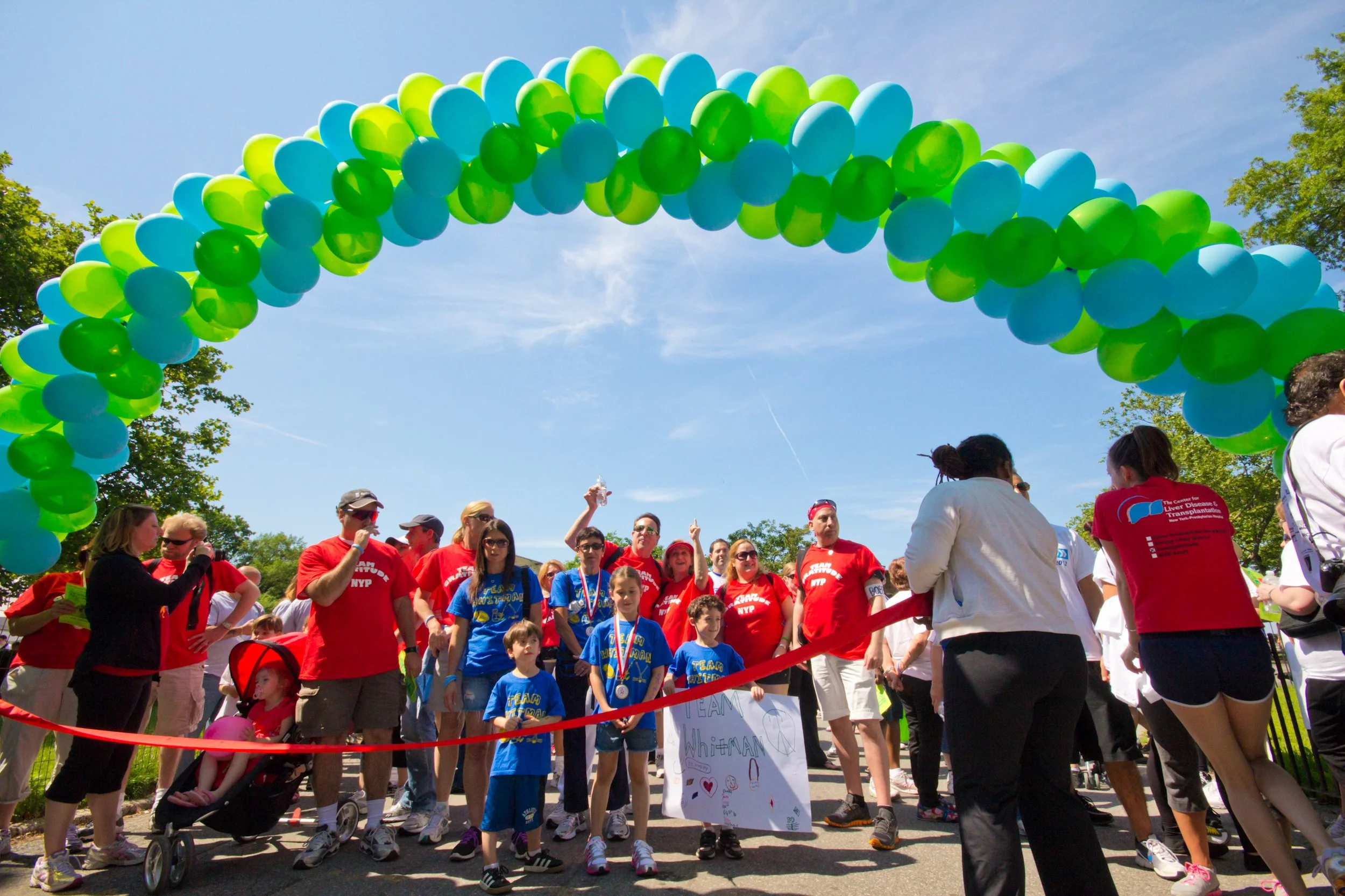
Planning a 5K fundraiser can be as challenging as running one, but with the right strategy and planning, it will be a huge success. Whether this fundraiser is to support a nonprofit, school, or local initiative, a well-executed race can generate donations that far exceed your goals. In this guide, get tips for planning a successful 5K from setting your goals to celebrating at the finish line.
Set Attainable Goals & Clear Timelines
Before tackling logistics, define what success looks like for your 5K fundraiser. Set realistic fundraising goals based on your cause and community, and use past events if applicable, as a starting point for the event. You should start planning a 5K fundraiser about 4–6 months in advance to handle logistics, get permits, find sponsors, recruit volunteers, and build momentum. For events with large fundraising goals or thousands of participants, start planning 9–12 months in advance. Work backward from the day of the race, so you can set due dates and timelines that have to be met. Clear goals will guide every decision and keep your event on track.
Set Realistic Fundraising Goals: Be specific, so instead of setting vague goals like to “raise a lot of money,” set a clear target whether it’s funding a new school playground or upgrading a community center. Calculate your estimated expenses, (e.g. permits, marketing, t-shirts, insurance) and then determine the revenue needed from registrations, sponsorships, and donations to cover those costs to meet, and hopefully exceed your goal.
Participation Goals: How many runners and walkers do you want to attend the 5K? Setting a participant goal not only helps with logistics like ordering supplies and keeping the course safe, but also gives you a target to help with your marketing efforts. Think about your organization’s reach and how much time and effort you have when deciding what your participant goal should be.
Awareness Goals: Beyond finances, a 5K is a great opportunity to raise even more awareness for your cause through word of mouth and marketing efforts. You could set goals to increase social media followers, get ongoing donations, or have people register for other events.
Choose a Good Running Route
The location and timing of your 5K play is a big part of how successful it is. Parks, college campuses, and community streets. Here are some things to consider when looking for a location.
What is traffic like on the route?
Are there any major road hazards?
Will you need road closures?
Is there enough parking?
Are restrooms available or will you need to rent them?
Is there a natural start/finish line area with space for registration, sponsors, and post-race activities?
Selecting a Date
Check community calendars to avoid conflicts with other major events, holidays, or similar races. Spring and fall generally offer the best weather for running, and Saturday mornings are a common choice for the day of the fundraiser.
Secure Sponsorships
Securing sponsorships helps offset initial expenses and can help towards your fundraising goals. Design tiered packages with varied benefits to appeal to businesses of all sizes so there is flexibility depending on your audience size, location, and marketing reach:
Platinum Level Sponsorship:
$5,000–$10,000
Top-tier, usually 1 available with naming rights (“Presented by…”)
Logo on all marketing materials, largest logo on shirts, signage, website,
A speaking opportunity or awards presentation
Complimentary registrations.
Gold Level Sponsorship:
$2,500–$4,999
High-visibility partner
Prominent logo on shirts and signage
Strong social + email recognition
Booth or activation space
Silver level sponsorship:
$1,000–$2,499
Mid-level, very popular tier
Logo on event shirts and website
Mention in event communications
On-site signage
Discounted or complimentary registrations
Bronze level sponsorship:
$250–$999
Entry-level, great for small businesses
Name or small logo on website and signage
Social media thank-you
Option to include promo item or coupon
Getting in-kind sponsorships are also really helpful. A local grocery store could donate water and snacks, a print shop could cover the cost of flyers, or a health clinic could host a warm-up session. This reduces your expenses while giving local businesses visibility.
Promoting Your 5K Fundraiser
You can plan the perfect race, but you won’t hit your goals if no one knows about it. Create a landing page for the fundraiser that has the registration link, pricing tiers, date, time, location, and course map. You can also add the reason behind the fundraiser and logos of sponsors.
Social Media: Be sure to level social media and share race time, what your fundraiser is for, any testimonials you have, be sure to make it engaging so people want to share your posts.
Email Marketing: Send regular updates to your organization's email list. When you announce the event, offer early-bird registration. Highlight the impact participating will have on the cause and any data that might be relevant. Be sure to send ongoing emails to remind people to register and add new updates and the date gets closer.
Local Event Calendars: Post your 5K on community boards and see if local TV and radio stations will give a shout out about the event.
Make It Fun and Memorable
Choose a fun theme or host an awards ceremony for different categories after the run (e.g best time, best dressed, (if that’s part of the theme) youngest participant, etc. Give away swag like a t-shirt, water bottle and coupons to local businesses. Have a local or volunteer photographer at the finish line capturing these moments because they are great keepsakes and to share on social media.
Planning a 5K for Your School
If your fundraiser is for a school, get the PTA involved. PTA members are powerful ambassadors who can spread the word through school newsletters, social media, flyers, and parent networks, dramatically increasing participation. A school-based 5K creates a fun, inclusive event that brings families, students, staff, and community together around a shared goal. You can easily set up online registration and manage participant sign-ups, making it simple for families of all ages to participate. Beyond fundraising, a 5K promotes school spirit, encourages healthy activity, and gives sponsors meaningful visibility within a highly engaged local audience making it a win for students, parents, and the school as a whole.
Plan a Fundraiser That Makes a Difference With BlueTree Marketing
A well-planned 5K fundraiser is about more than the day of the race. It’s also an opportunity to raise funds for a meaningful cause, bring your community together, and build lasting relationships that support your nonprofit or school long after the event.
By partnering with BlueTree you raise even more money with zero risk through our Passport to Paradise raffle program. We provide you with everything you need to promote the raffle online and at your event, including marketing materials and trip descriptions to get people excited to purchase tickets and be entered to win an exclusive luxury travel experience. Contact us to learn more about our program and how we can partner with you to make your 5K fundraiser an amazing experience for everyone!
FAQs
-
A 5K fundraiser is a 3.1-mile run or walk organized to raise money and awareness for a school, nonprofit, or community organization. Participants register, fundraise, or donate to support the mission.
-
The most successful 5K fundraisers typically are planned four to six months in advance.This gives you enough time to secure permits, recruit sponsors, promote the event, and increase registration.
-
Promote your event through social media, email campaigns, community calendars, and local partnerships. Offering incentives like swag, awards, or team challenges can also boost participation.
-
Yes, most cities require permits for road closures or park use, and event insurance is often mandatory. Check with local officials early to avoid delays or last-minute issues.
Subscribe to BlueTree Marketing’s newsletter for expert fundraising tips and insights, plus learn about risk-free vacation packages and experiences that will make your events memorable.